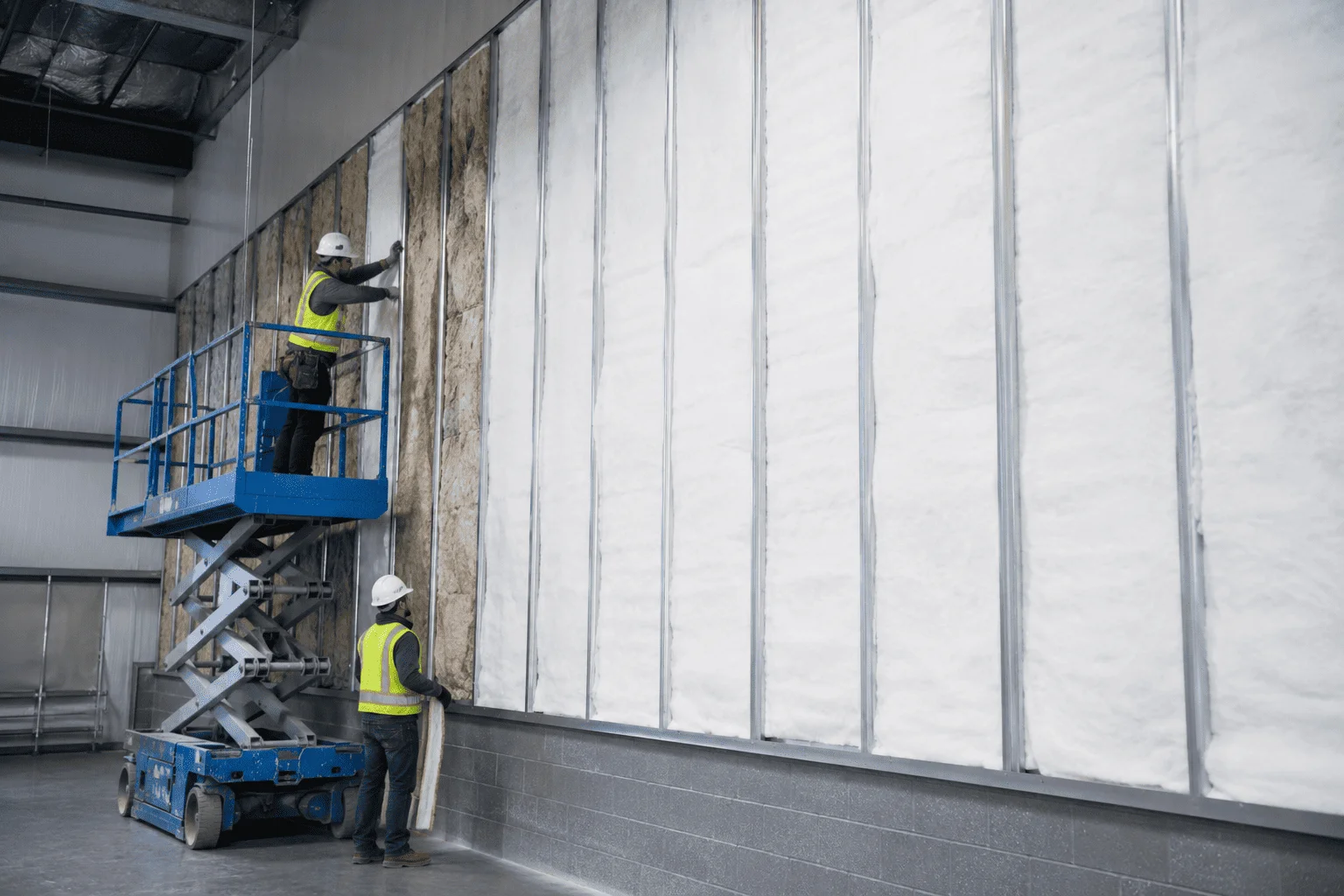
Insulation Replacement that fits the building and the code
It's a good fit for owners and facility teams restoring envelope performance. You'll see it used for remove-and-replace assemblies, water- or age-degraded material, and performance upgrades to current systems. The right system comes down to the assembly, the moisture and fire requirements, the energy code, and whether it's new construction or a retrofit.
Insulation Replacement is rarely the only system on a building. Most projects mix materials by assembly, and the trade-offs are worth knowing up front: access governs method and duration, and damaged assemblies may need repair first. The goal is the right product for each assembly, not one material forced across the whole building.
Get a Free Estimate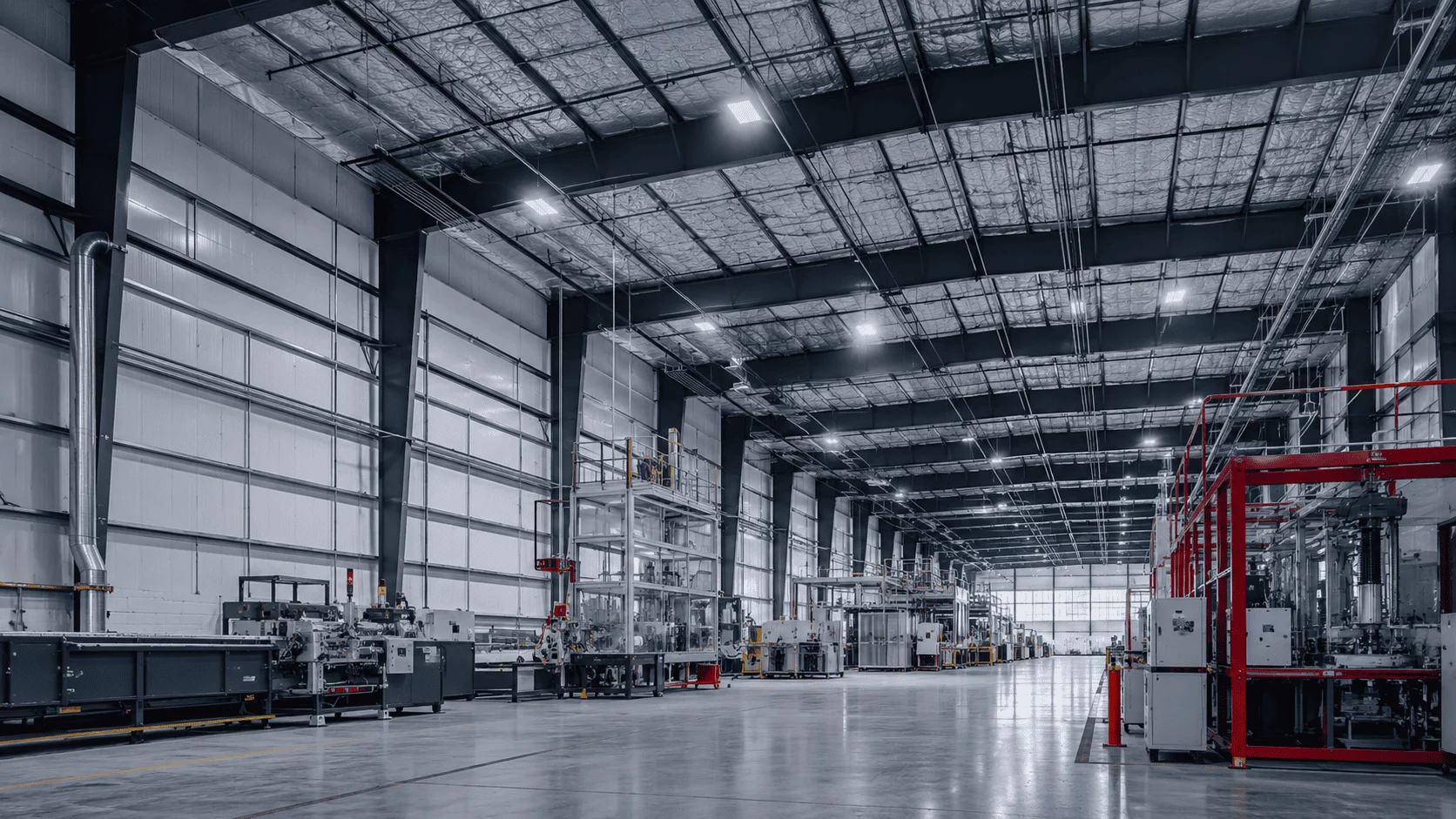
Where Insulation Replacement makes sense
Here's where insulation replacement usually gets specified, and the building types where it tends to be the right call.
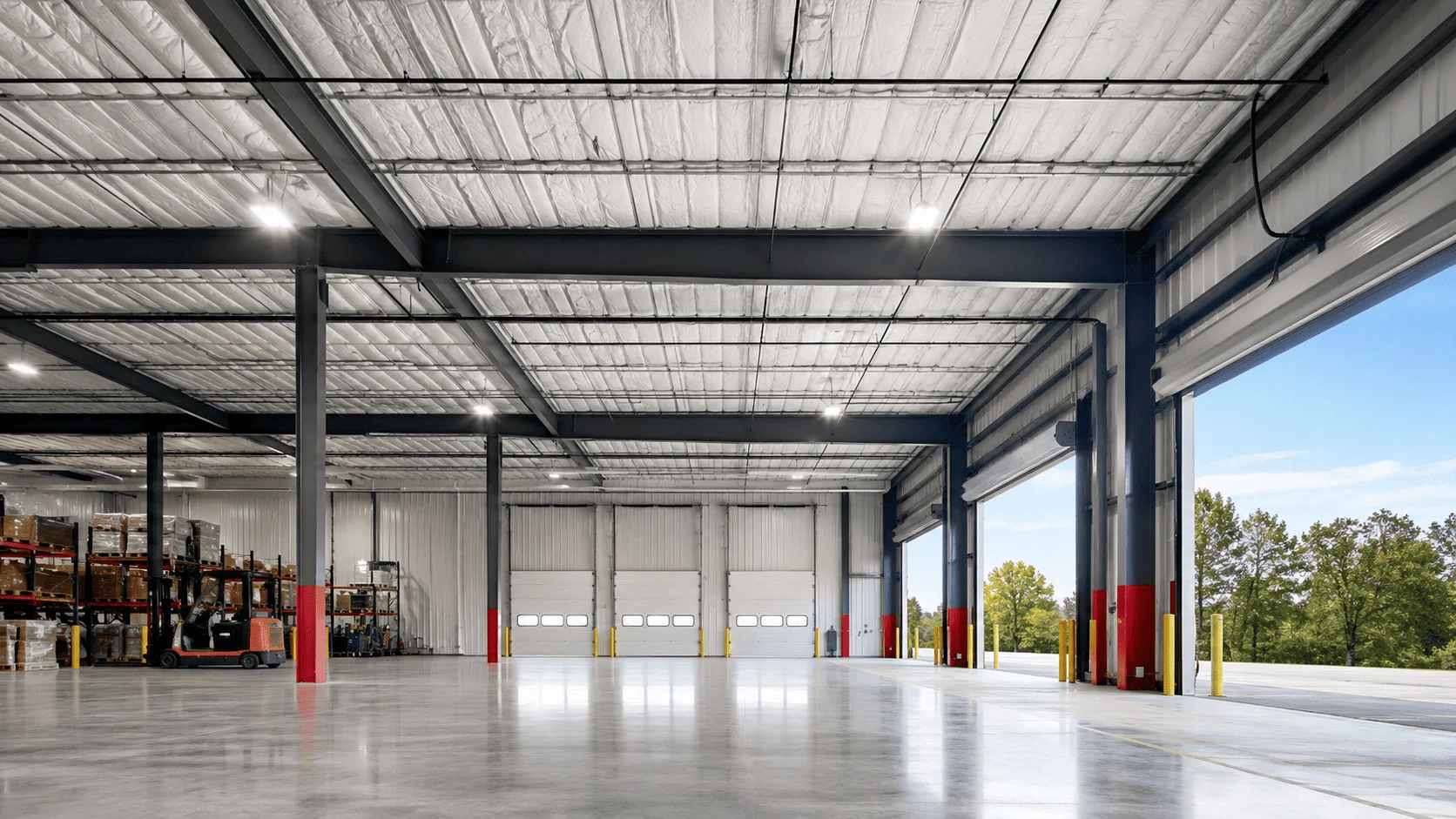
Facilities where insulation replacement is a strong fit
- Restores specified performance
- Upgrades to current systems
- Addresses moisture and damage
- One coordinated plan
- Access governs method and duration
- Damaged assemblies may need repair first
On new construction, insulation replacement is coordinated with framing and MEP before close-in. On retrofits, we stage around operations and target accessible assemblies so the facility keeps running.
Choosing insulation replacement for commercial and industrial work
It's a fit for owners and facility teams restoring envelope performance. The call usually comes down to the assembly, the energy-code path, and whether you're working in a new build or an occupied building. We won't recommend a system until we've looked at those.
It often works alongside other systems, and plenty of projects use more than one, matching the material to each assembly instead of forcing a single product across the whole building. Where the building is occupied, access and prep usually drive the sequence more than the material does.

How an insulation replacement project runs
Here's how an insulation replacement project actually runs, and what moves the price.
We coordinate with the general contractor and facility team, phase the work around operations and safety zones, and lock in scheduling before we mobilize. The estimate is written for your building, not a rough per-square-foot number, so you can compare it line by line.

What happens, in order
We review the plans and confirm the assembly, the target, and how we'll get access
We walk the building or take off quantities from your plans and specs
You get the price in writing, with the system and coverage spelled out
We schedule the work around how your building runs
We install, check the coverage, and walk it with you at the end
What moves the price on a job like this
Detailing that governs performance
Insulation Replacement questions
When should insulation be replaced?+
Replacement is warranted when insulation is water-damaged, degraded, or underperforming for the facility's current needs.
Is replacement more than removal?+
Yes. Replacement pairs controlled removal with installation of a new system matched to the assembly and code.
Can we upgrade the system during replacement?+
Often yes. Replacement is a good opportunity to move to a higher-performing or better-suited system.
How is replacement scheduled in an occupied facility?+
We phase remove-and-replace work around operations with containment and coordination.
How is replacement estimated?+
We assess the existing system, removal and disposal, and the new coverage, then send a written estimate.
Do you repair the assembly if needed?+
When the assembly is damaged, we address repairs so the new insulation performs as specified.
Need help with insulation replacement?
Tell us about the building, the location, and what needs doing. Our team will review the details and follow up with the next step.
Prefer to call? (850) 639-9272