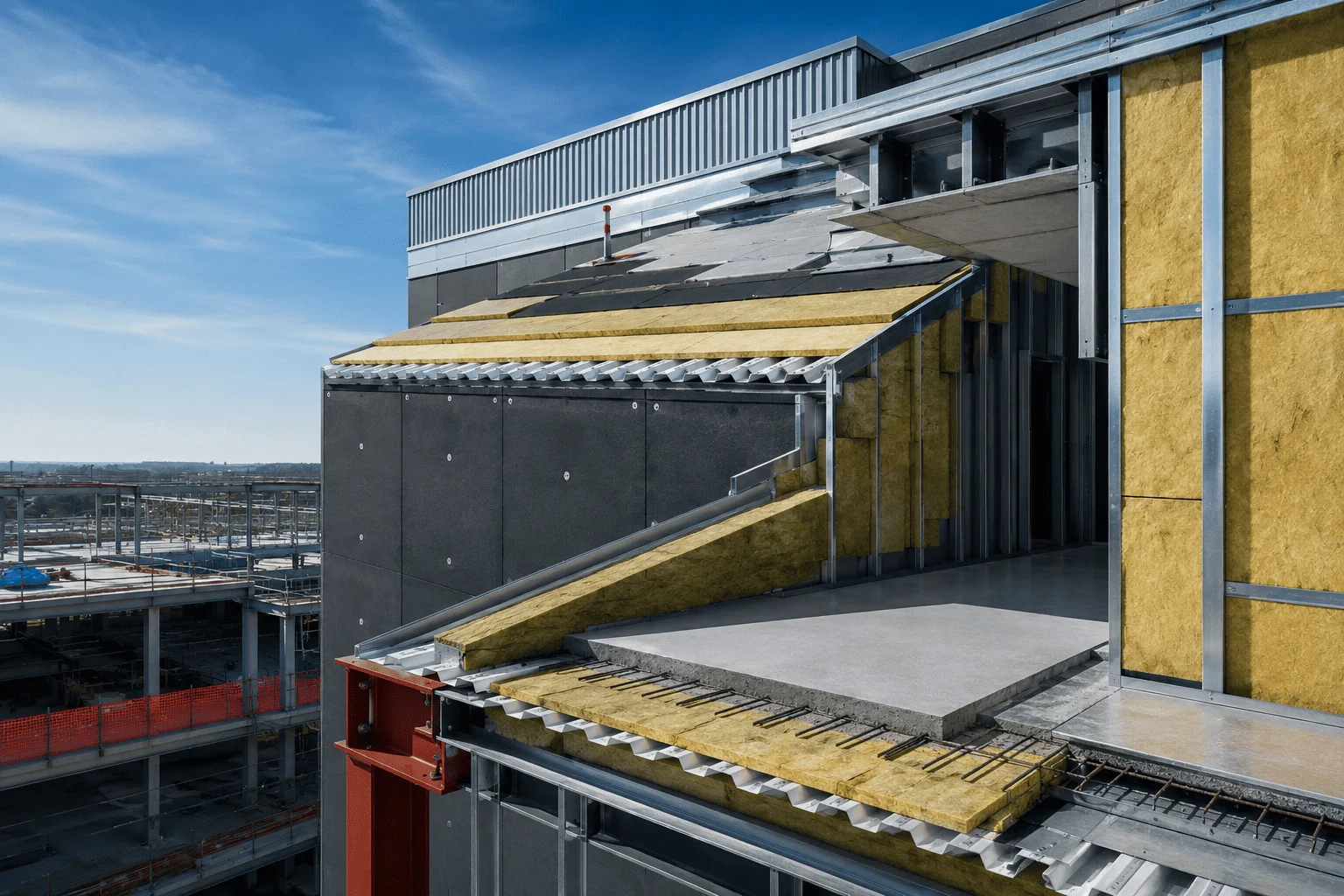
Energy Efficiency Insulation for commercial and industrial work
It's a good fit for owners and facility teams pursuing efficiency and code targets. You'll see it used for envelope thermal upgrades, air-leakage reduction, and continuous-insulation strategies. The right system comes down to the assembly, the moisture and fire requirements, the energy code, and whether it's new construction or a retrofit.
Energy Efficiency Insulation is rarely the only system on a building. Most projects mix materials by assembly, and the trade-offs are worth knowing up front: results depend on the whole envelope and HVAC, and we do not guarantee specific utility savings. We flag the assemblies where another system performs better rather than over-spec a single product.
Get a Free Estimate
How the work is sequenced
Every energy efficiency insulation project follows a predictable order. These are the steps and the decisions inside them.
We coordinate with the general contractor and facility team, phase the work around operations and safety zones, and lock in scheduling before we mobilize. The estimate is written for your building, not a rough per-square-foot number, so you can compare it line by line.
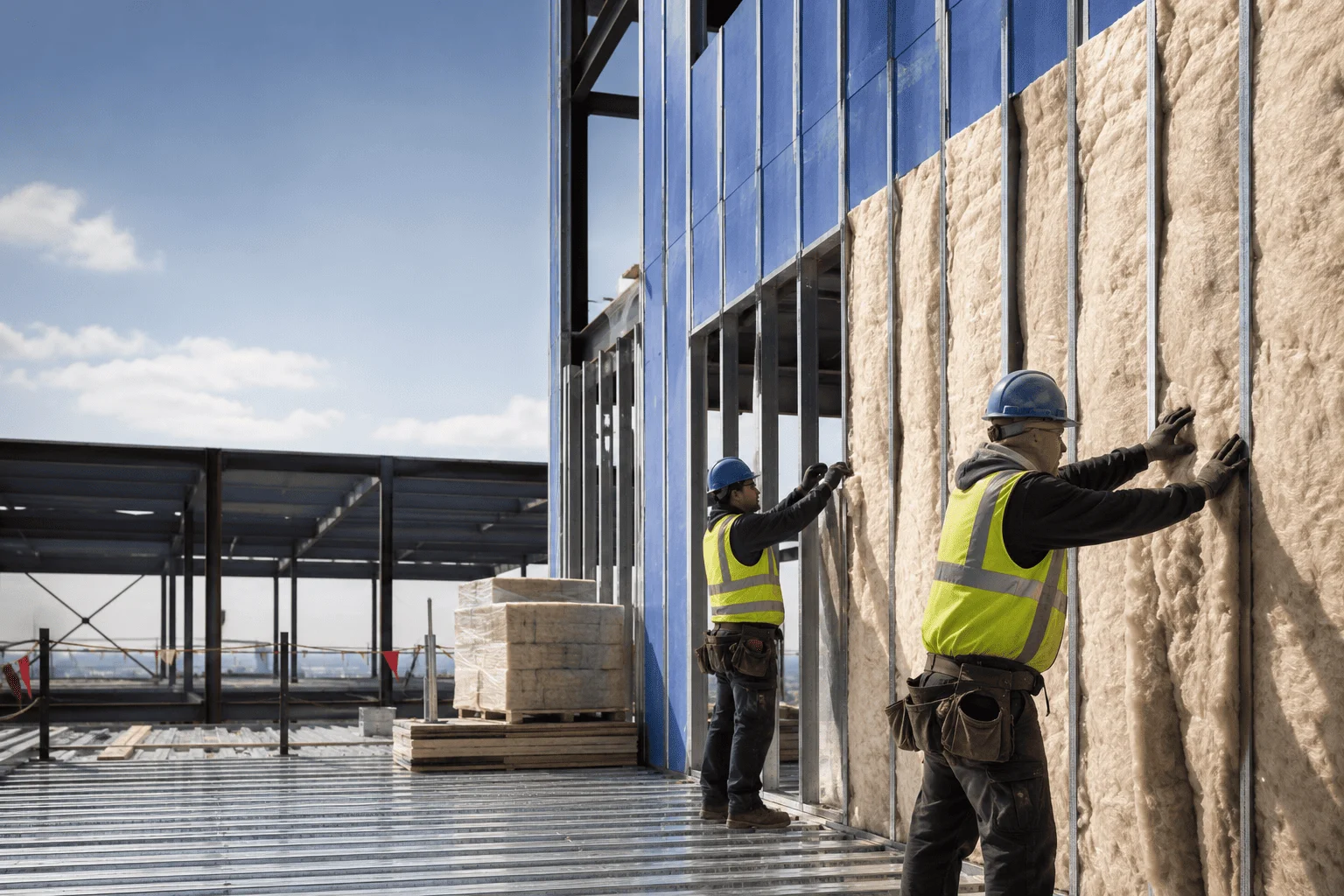
How it unfolds
We review the plans and confirm the assembly, the target, and how we'll get access
We walk the building or take off quantities from your plans and specs
You get the price in writing, with the system and coverage spelled out
We schedule the work around how your building runs
We install, check the coverage, and walk it with you at the end
Where the cost actually sits
Where this system earns its place
The applications below are where energy efficiency insulation does work another system would struggle with.
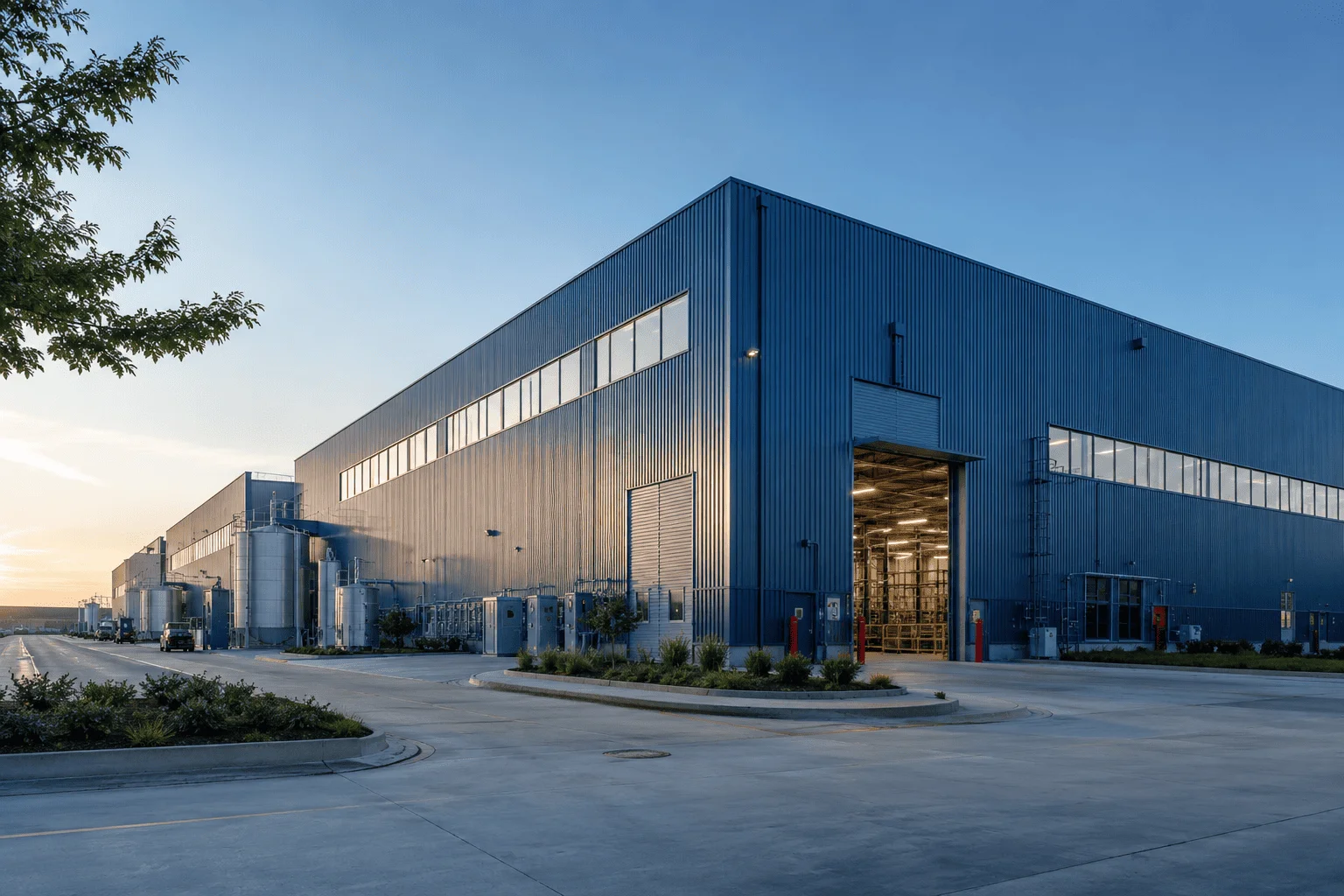
Where it performs well
- Reduces heating and cooling loads
- Supports energy-code compliance
- Improves comfort and control
- Pairs thermal and air performance
- Results depend on the whole envelope and HVAC
- We do not guarantee specific utility savings
On new construction, energy efficiency insulation is coordinated with framing and MEP before close-in. On retrofits, we stage around operations and target accessible assemblies so the facility keeps running.
Execution detail that changes the result
What the decision actually turns on
It's a fit for owners and facility teams pursuing efficiency and code targets. The call usually comes down to the assembly, the energy-code path, and whether you're working in a new build or an occupied building. We won't recommend a system until we've looked at those.
It often works alongside other systems, and plenty of projects use more than one, matching the material to each assembly instead of forcing a single product across the whole building. Where the building is occupied, access and prep usually drive the sequence more than the material does.

Energy Efficiency Insulation questions
How does insulation improve energy efficiency?+
Thermal insulation limits heat transfer and air-sealing stops leakage, together reducing the loads the HVAC system must serve.
Will insulation lower our energy bills?+
Improved insulation and air-sealing reduce envelope losses. We frame the expected envelope improvement without guaranteeing specific utility figures.
What is the biggest efficiency lever?+
For many buildings, combining continuous insulation with air-sealing across transitions yields the most reliable improvement.
Does efficiency work support code?+
Yes. Continuous insulation and air-barrier continuity are central to commercial energy-code compliance.
Can efficiency upgrades be phased?+
Yes. We can stage envelope improvements around operations and budgets, prioritizing the highest-impact areas.
How is an efficiency project estimated?+
We assess the envelope, targets, and access, then send a written estimate for the thermal and air-sealing work.
Need help with energy efficiency insulation?
Tell us about the building, the location, and what needs doing. Our team will review the details and follow up with the next step.
Prefer to call? (850) 639-9272