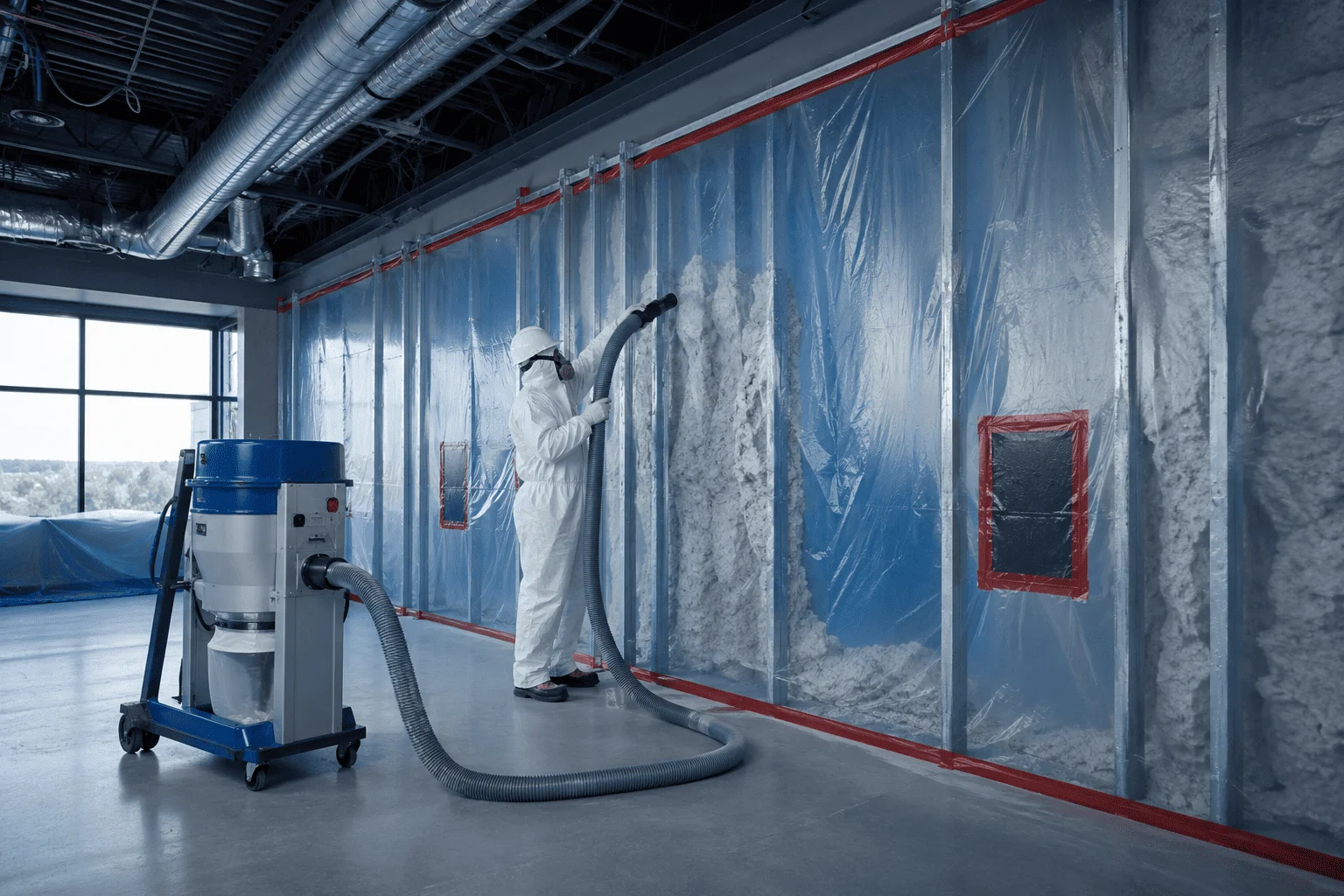
Insulation Removal that fits the building and the code
It's a good fit for facility teams preparing for re-insulation or remediation. You'll see it used for degraded or damaged insulation removal, water- or contaminant-affected material, and pre-retrofit assembly prep. The right system comes down to the assembly, the moisture and fire requirements, the energy code, and whether it's new construction or a retrofit.
Insulation Removal is rarely the only system on a building. Most projects mix materials by assembly, and the trade-offs are worth knowing up front: contaminated material needs proper handling, and access governs method and duration. We flag the assemblies where another system performs better rather than over-spec a single product.
Get a Free Estimate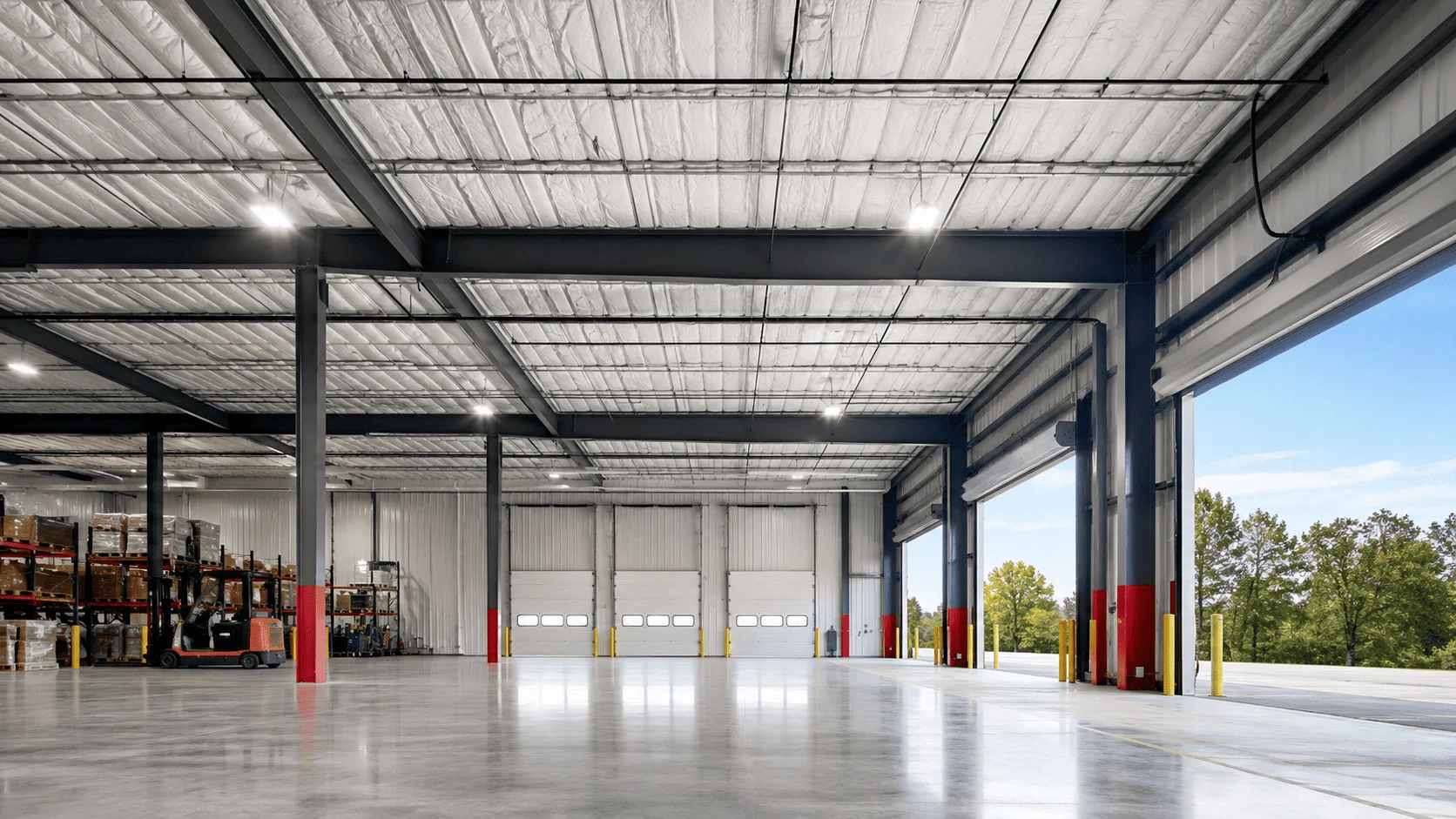
How the work is sequenced
The sequence below is what an insulation removal scope looks like in practice, and where the cost lands.
We coordinate with the general contractor and facility team, phase the work around operations and safety zones, and lock in scheduling before we mobilize. The estimate is written for your building, not a rough per-square-foot number, so you can compare it line by line.
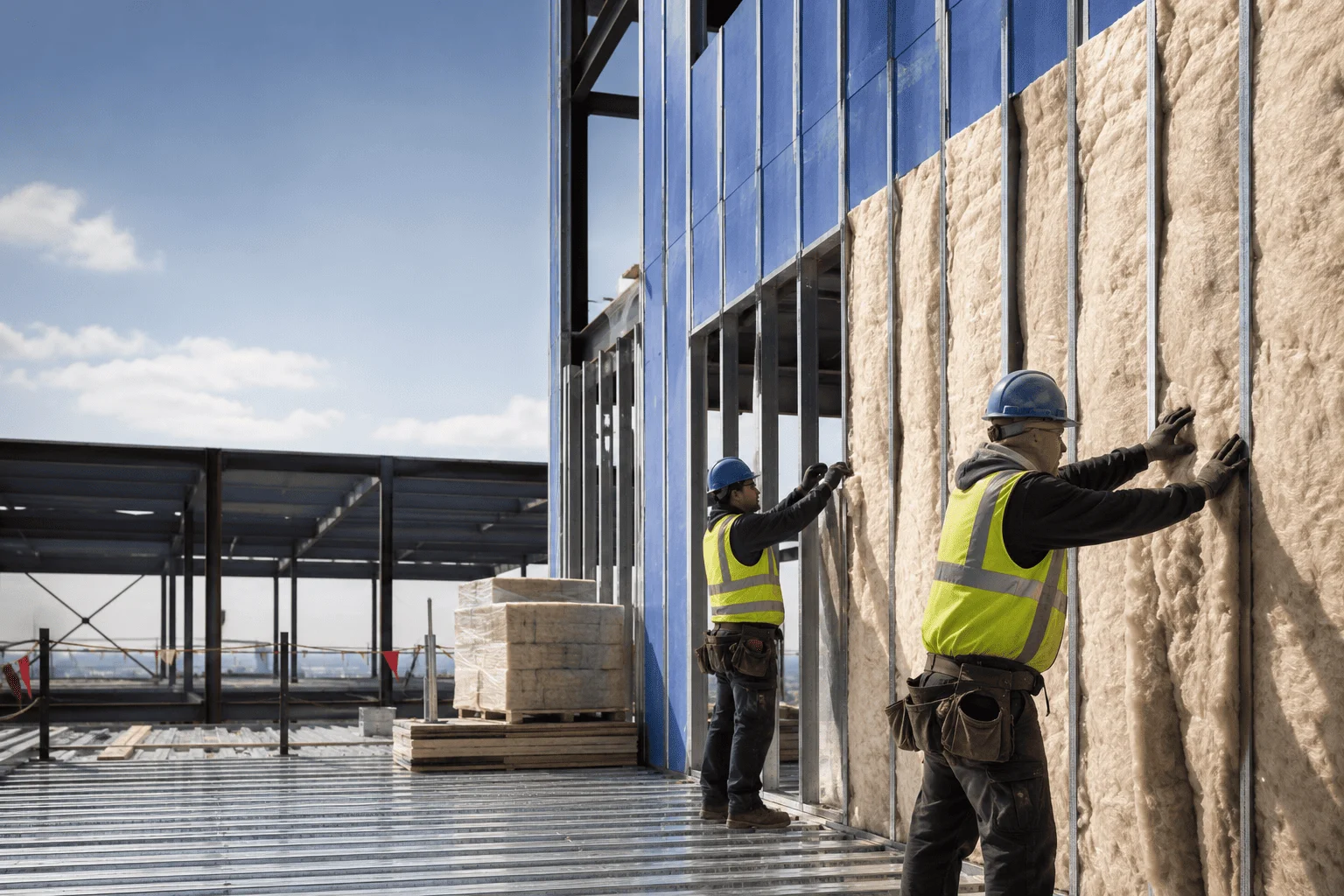
Step by step
We review the plans and confirm the assembly, the target, and how we'll get access
We walk the building or take off quantities from your plans and specs
You get the price in writing, with the system and coverage spelled out
We schedule the work around how your building runs
We install, check the coverage, and walk it with you at the end
Variables that change the estimate
Where this system earns its place
Insulation scopes on insulation removal projects are driven by the assemblies involved and how the space is used. These are the conditions that shape the specification.
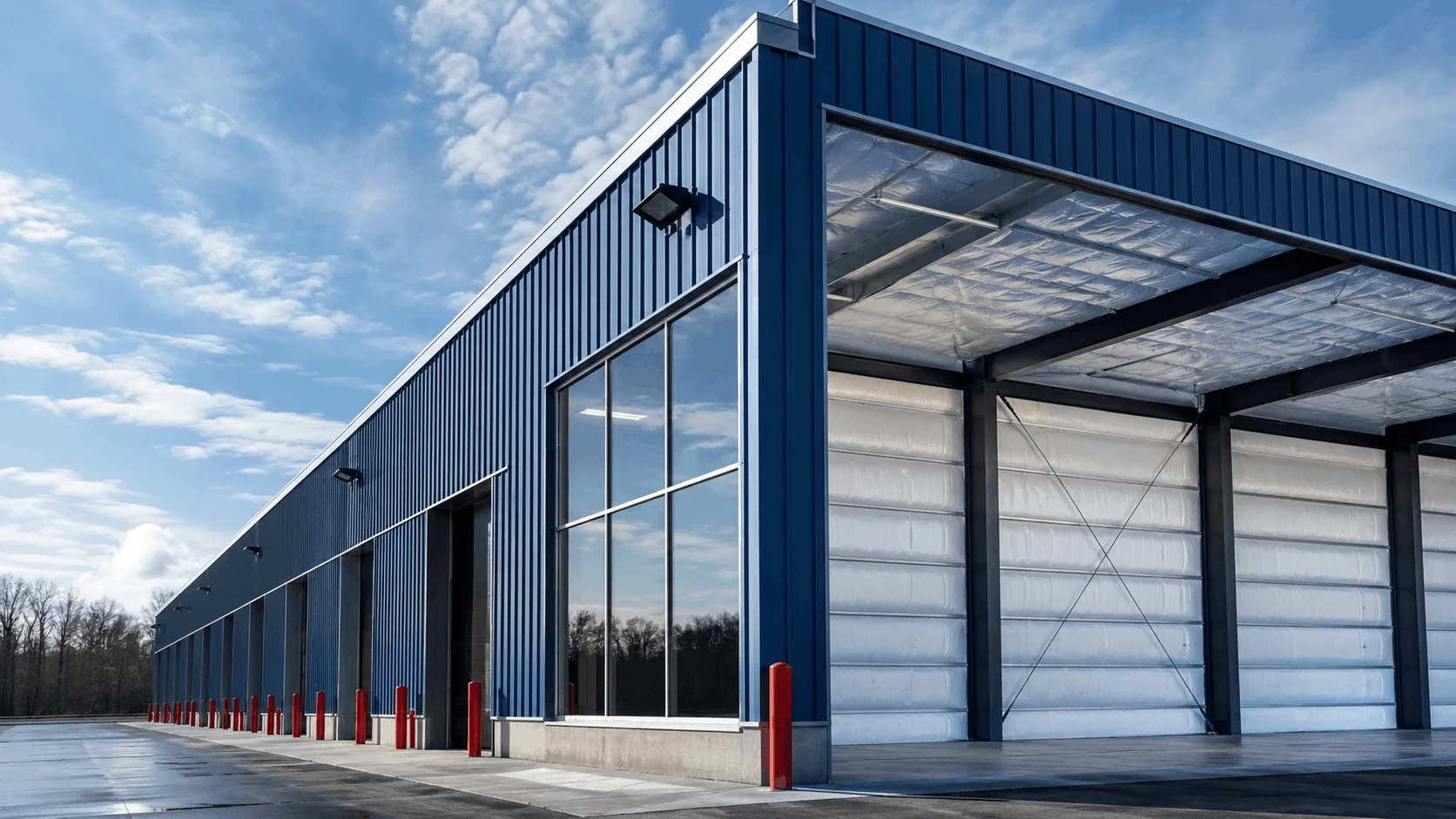
Building types this suits
- Clears the way for effective re-insulation
- Controlled containment and disposal
- Improves indoor conditions
- Written estimate and cleanup
- Contaminated material needs proper handling
- Access governs method and duration
Insulation Removal applies to buildings that are already standing, so the work is planned around existing conditions, access, and occupancy rather than a construction schedule. For a building still being built, see insulation for new commercial construction.
Execution detail that changes the result
What the decision actually turns on
It's a fit for facility teams preparing for re-insulation or remediation. The call usually comes down to the assembly, the energy-code path, and whether you're working in a new build or an occupied building. We won't recommend a system until we've looked at those.
It often works alongside other systems, and plenty of projects use more than one, matching the material to each assembly instead of forcing a single product across the whole building. Where the building is occupied, access and prep usually drive the sequence more than the material does.

Insulation Removal questions
When should commercial insulation be removed?+
Removal is warranted when material is water-damaged, contaminated, degraded, or in the way of a retrofit that needs a clean assembly.
Is removal done with containment?+
Yes. We isolate work zones and use containment and proper disposal, coordinating with facility and safety teams.
Do you re-insulate after removal?+
Typically yes. Removal prepares the assembly, and re-insulation follows as part of the same job.
Can removal happen in an occupied facility?+
Yes, with phasing, containment, and coordination so operations continue safely.
How is a removal project estimated?+
We assess area, material, contamination, and access, then send a written estimate with the containment plan and disposal approach.
What happens to the removed material?+
It is handled and disposed of according to the material type and local requirements, spelled out in the estimate.
Need help with insulation removal?
Tell us about the building, the location, and what needs doing. Our team will review the details and follow up with the next step.
Prefer to call? (850) 639-9272