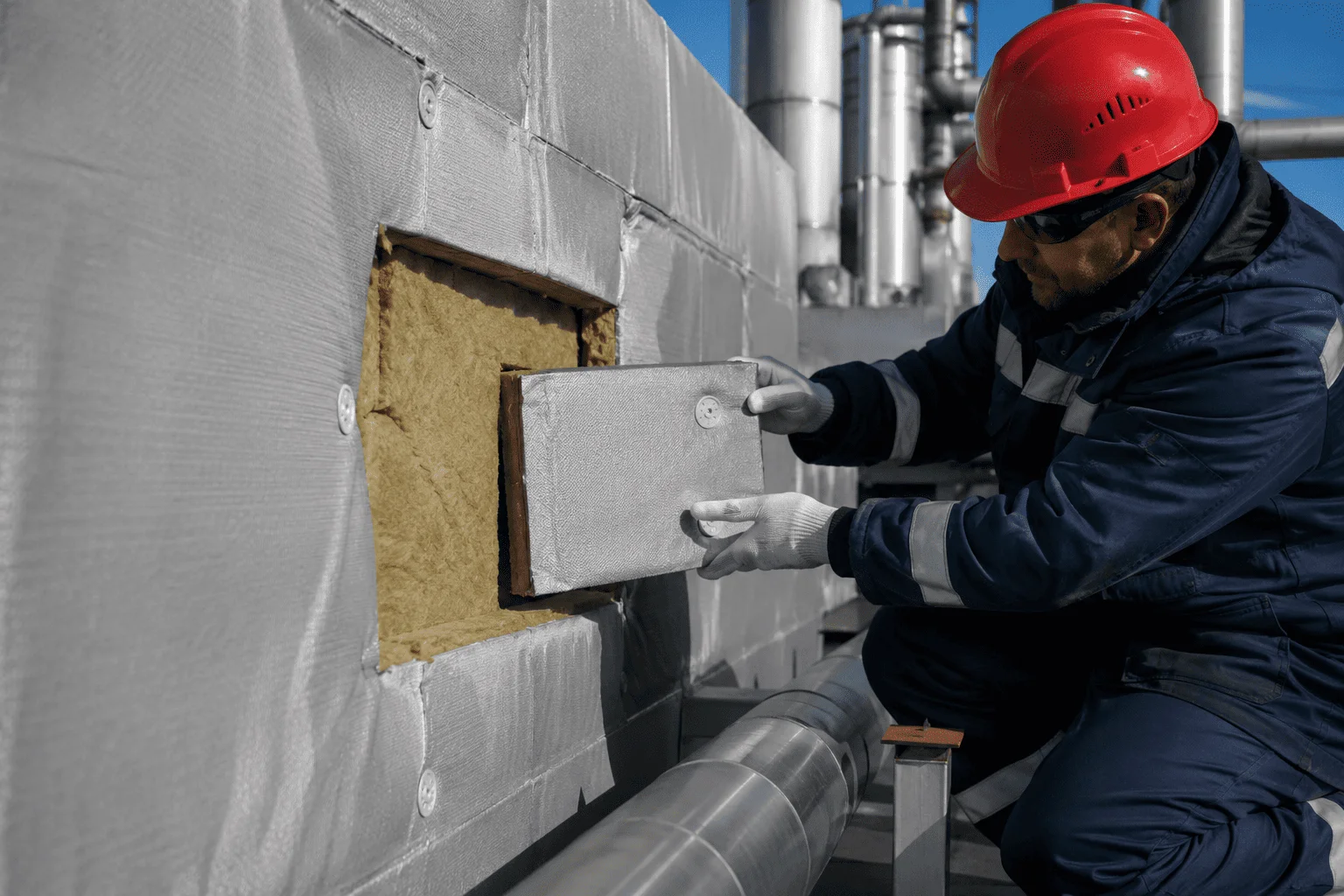
Insulation Repair that fits the building and the code
It's a good fit for facility teams addressing localized envelope problems. You'll see it used for localized damage and gap repair, compromised air-seal restoration, and post-leak and post-trade repairs. The right system comes down to the assembly, the moisture and fire requirements, the energy code, and whether it's new construction or a retrofit.
Insulation Repair is rarely the only system on a building. Most projects mix materials by assembly, and the trade-offs are worth knowing up front: widespread damage may warrant replacement, and underlying causes must be addressed. Getting the material-to-assembly match right is where durability and budget both come from.
Get a Free Estimate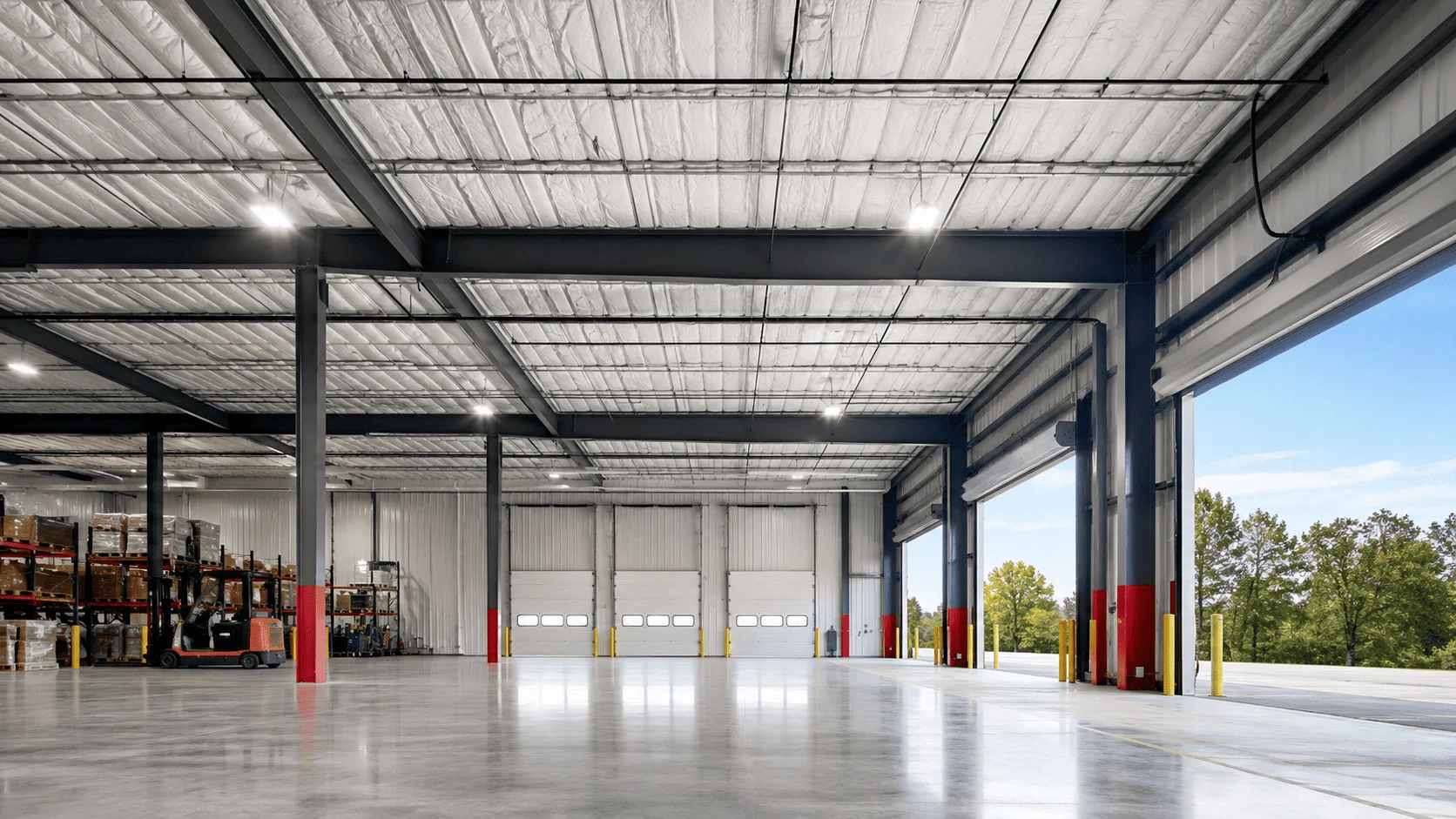
From first call to final walkthrough
The sequence below is what an insulation repair scope looks like in practice, and where the cost lands.
We coordinate with the general contractor and facility team, phase the work around operations and safety zones, and lock in scheduling before we mobilize. The estimate is written for your building, not a rough per-square-foot number, so you can compare it line by line.

Step by step
We review the plans and confirm the assembly, the target, and how we'll get access
We walk the building or take off quantities from your plans and specs
You get the price in writing, with the system and coverage spelled out
We schedule the work around how your building runs
We install, check the coverage, and walk it with you at the end
Variables that change the estimate
When insulation repair is the right specification
Insulation scopes on insulation repair projects are driven by the assemblies involved and how the space is used. These are the conditions that shape the specification.
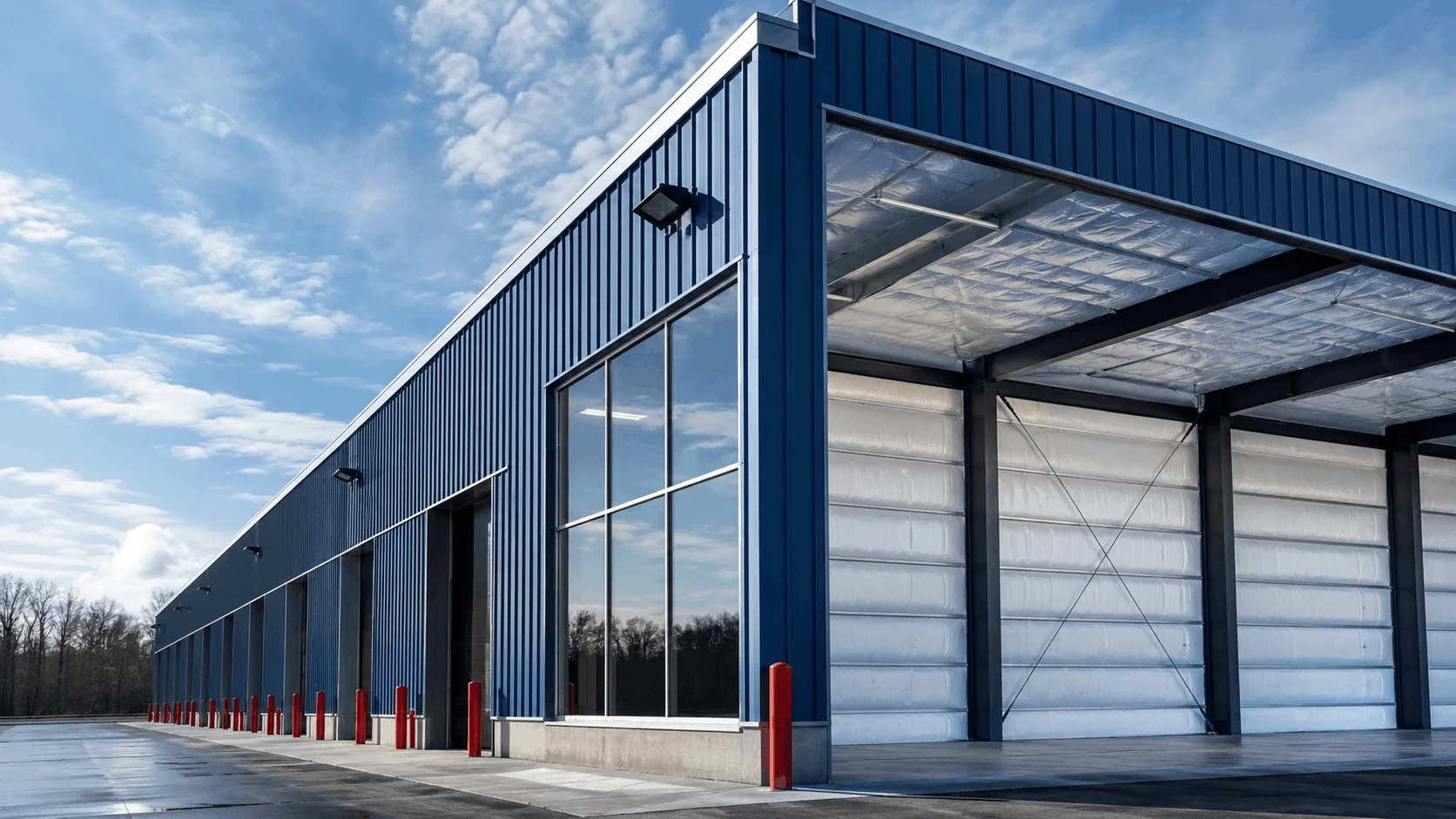
Building types this suits
- Fixes problems without full replacement
- Restores local performance
- Targeted and cost-focused
- Fast turnaround on defined issues
- Widespread damage may warrant replacement
- Underlying causes must be addressed
Insulation Repair applies to buildings that are already standing, so the work is planned around existing conditions, access, and occupancy rather than a construction schedule. For a building still being built, see insulation for new commercial construction.
Where performance is won or lost
How the specification gets made
It's a fit for facility teams addressing localized envelope problems. The call usually comes down to the assembly, the energy-code path, and whether you're working in a new build or an occupied building. We won't recommend a system until we've looked at those.
It often works alongside other systems, and plenty of projects use more than one, matching the material to each assembly instead of forcing a single product across the whole building. Where the building is occupied, access and prep usually drive the sequence more than the material does.

Insulation Repair questions
When is repair better than replacement?+
Repair fits localized damage and gaps; widespread degradation or contamination usually warrants replacement.
What causes insulation damage?+
Water intrusion, mechanical damage, trade activity, and settling are common causes; we address the root cause with the repair.
Can repairs restore air-sealing?+
Yes. Re-sealing penetrations and transitions restores air-barrier continuity in the affected areas.
Is repair disruptive?+
Repairs are targeted and typically low-disruption, scheduled around operations where needed.
How is a repair estimated?+
We assess the extent, cause, and access, then send a written estimate for the targeted work.
Do repairs come with a re-inspection?+
We complete a walkthrough of the repaired areas to confirm the intended performance is restored.
Need help with insulation repair?
Tell us about the building, the location, and what needs doing. Our team will review the details and follow up with the next step.
Prefer to call? (850) 639-9272