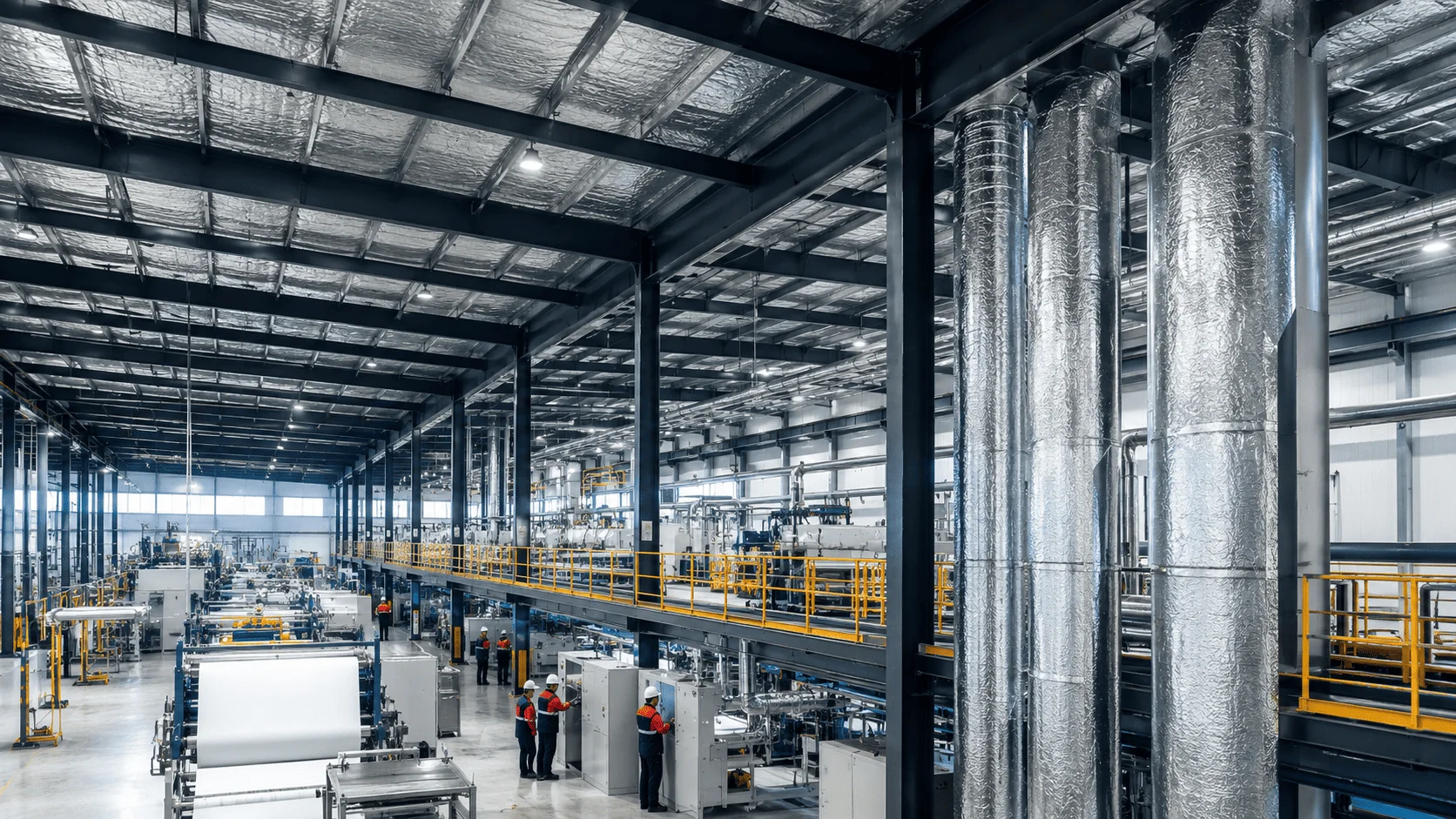
Services covered on Memphis, TN projects
These are the scopes available for non-residential buildings in the Memphis area. Most projects use more than one, matched to the assembly rather than applied across the whole building.
Commercial Insulation
Whole-envelope work for offices, retail, and institutional buildings.
Industrial Insulation
Thermal and condensation control for plants and process buildings.
Warehouse Insulation
Large-span roof decks, high-bay walls, and dock areas.
Cold Storage Insulation
Continuous thermal separation and vapor detailing.
Metal Building Insulation
Liner and banded systems built for steel structures.
Spray Foam Insulation
Air-sealing and vapor control on steel decks and metal walls.
Envelope conditions that affect Memphis projects
Humid summers and cool winters make balanced thermal performance and air-sealing important across logistics and manufacturing space. For Memphis buildings that means the practical risk on steel is surface condensation rather than raw heat loss, so vapor control and a continuous air barrier usually matter more than added thickness. Energy-code requirements depend on the edition Tennessee has adopted and on local amendments, so the applicable path is confirmed with the authority having jurisdiction rather than assumed.
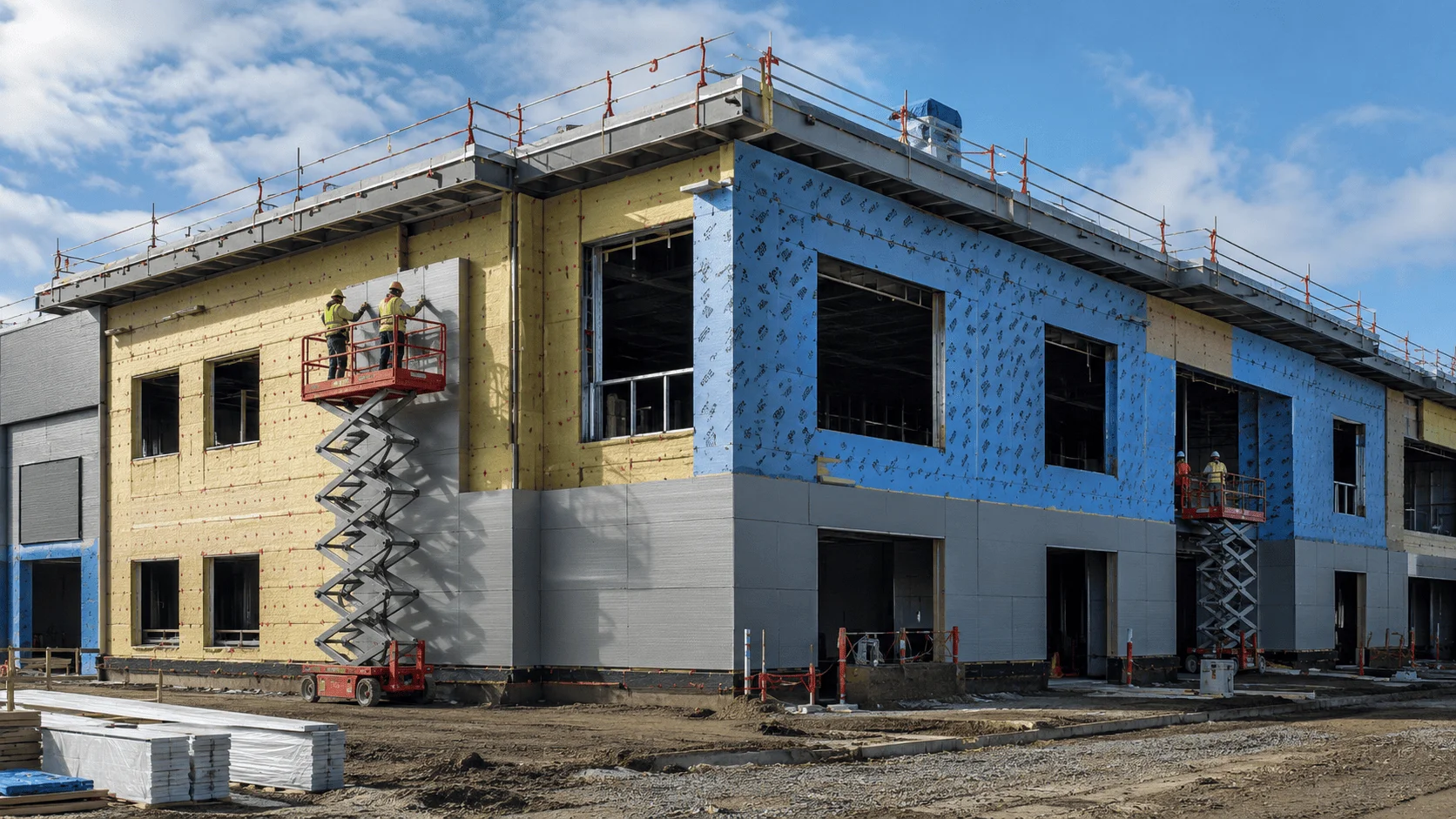
Buildings and project types served in Memphis
Facilities that may require these services in the Memphis area include air-cargo and logistics facilities, distribution and fulfillment centers, cold storage and food handling, and metal buildings, on both vacant and operating sites.
Residential work is outside what we take on. Multifamily and mixed-use buildings count as commercial projects and are in scope.
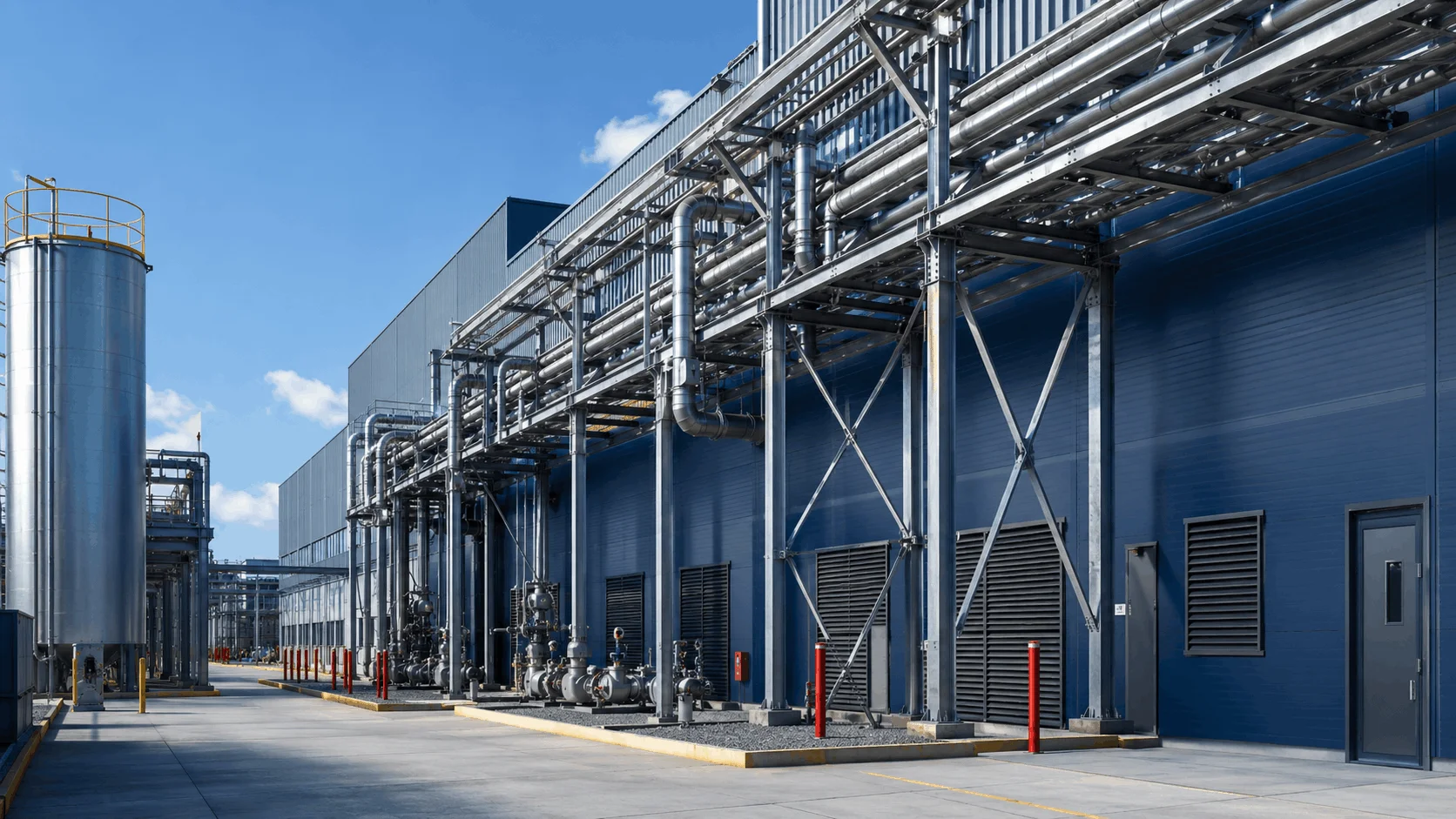
Working in an existing Memphis facility
The first question on existing air-cargo and logistics facilities is what failed and why. Wet or contaminated material comes out; sound material can often stay. Covering an active leak or an uncorrected vapor path just repeats the original failure.
Retrofit work on an operating plant is planned around production. Zones are isolated and handed back in sequence so the floor keeps running. Where material has to come out, containment, protection of equipment and inventory, and disposal are part of the scope. Access limits, working height, and any after-hours requirement all affect staging.
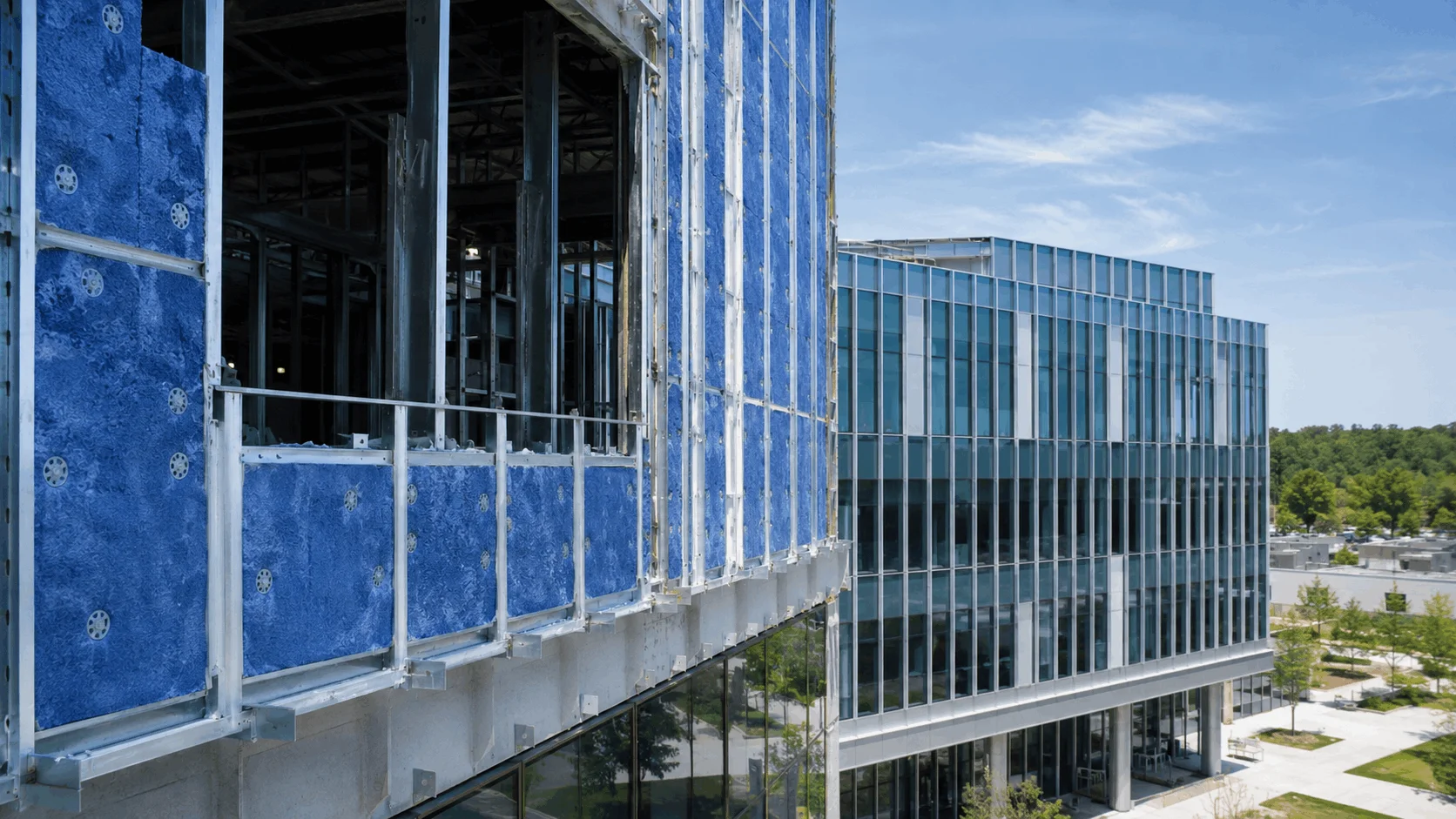
Insulation on a Memphis new build
On a new build the envelope is a scheduling problem as much as a specification one. Insulation and air-sealing land between framing and MEP rough-in and close-in, so the work has to be coordinated with the other trades and complete before the assembly is closed.
On new air-cargo and logistics facilities the assemblies are usually set by the drawings, so the work is confirming the approved build-up, the code path, and the sequence rather than choosing a product on site.
How the system gets selected
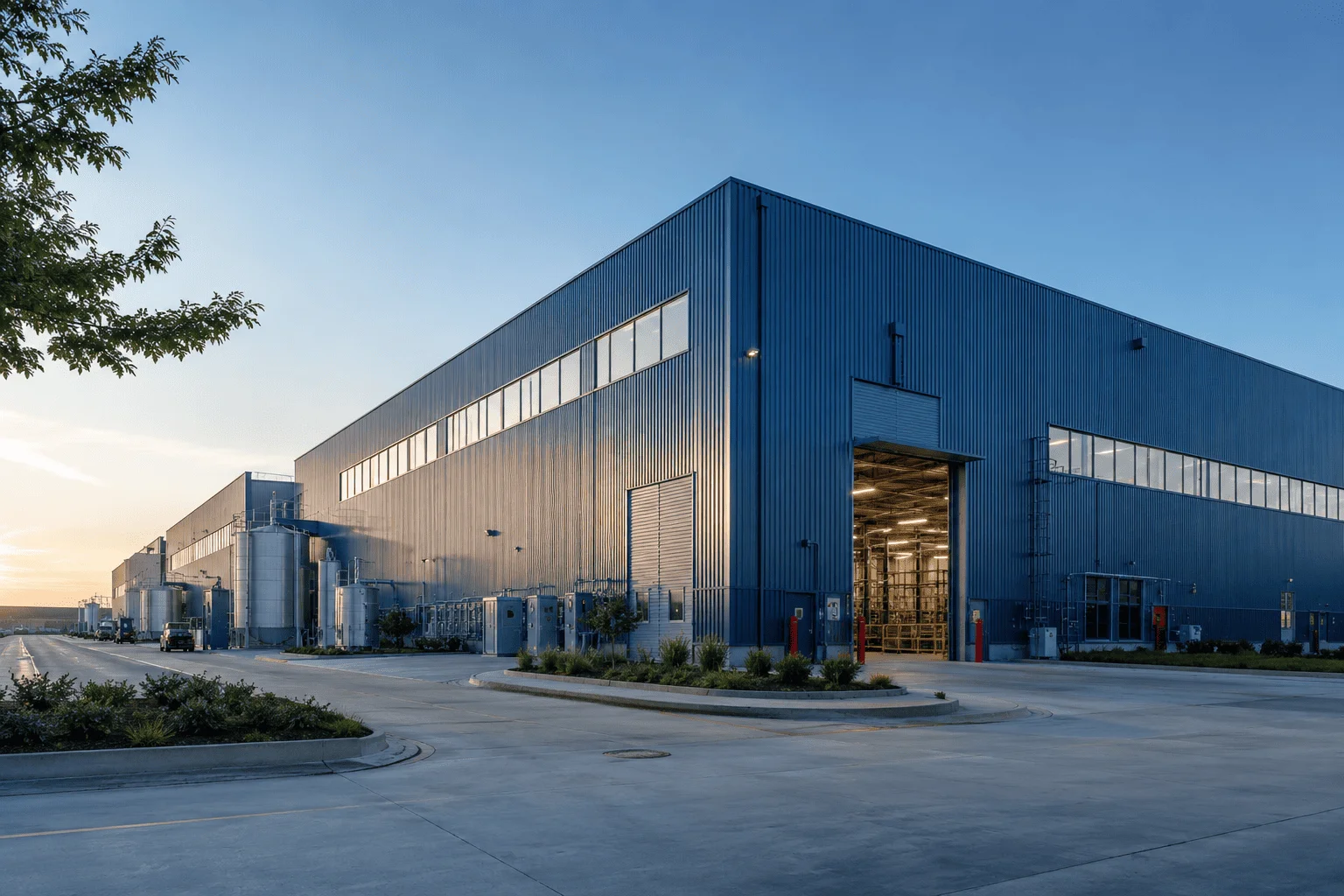
Which system gets specified depends on the surface it has to bond to, how much moisture the assembly sees, whether air movement is part of the problem, and what the drawings already commit to.
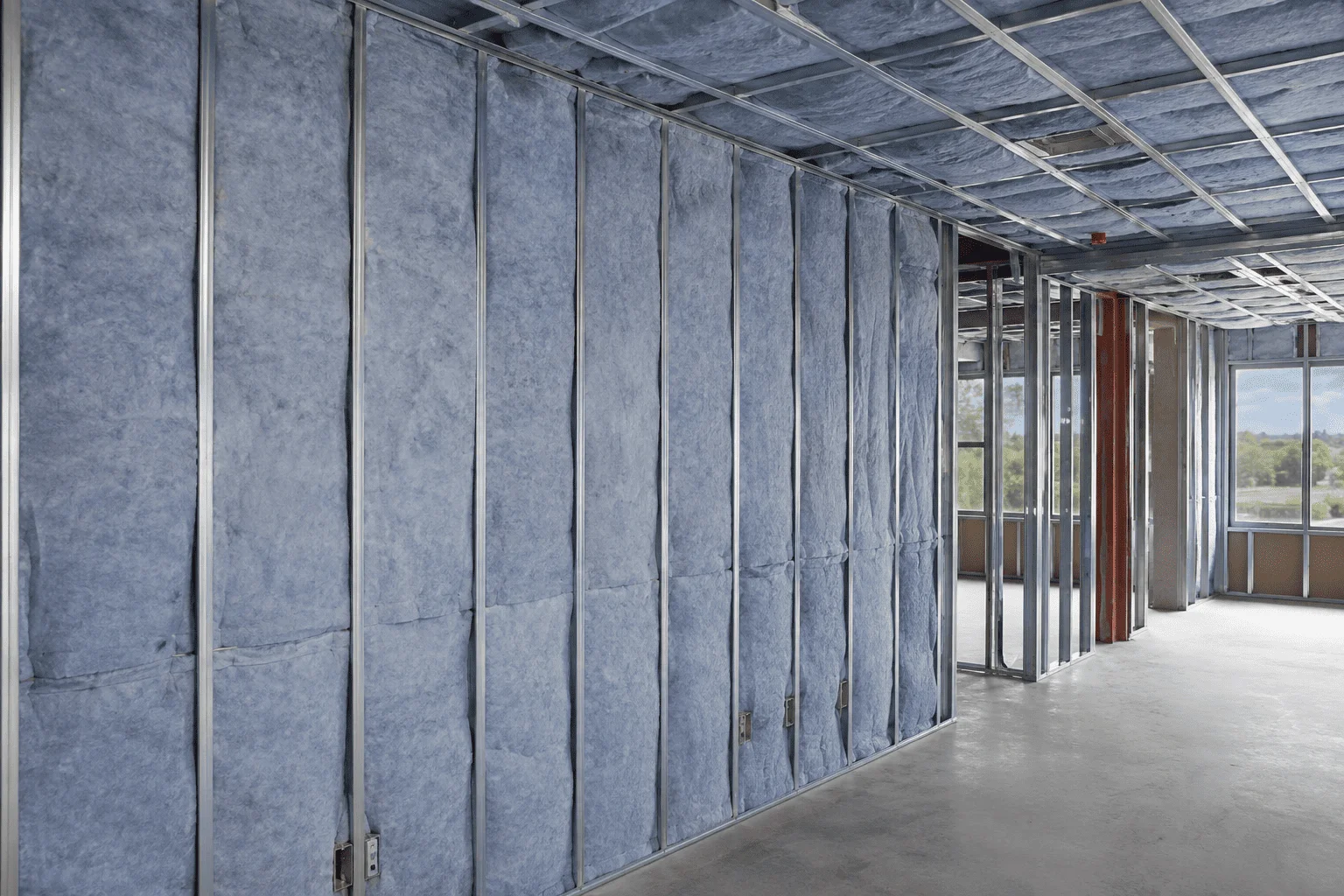
On exposed steel and roof decks, where seasonal swings and envelope continuity act hardest, a closed-cell system does the thermal and vapor job in one application. In a dry framed cavity that is over-specifying, and fiberglass performs well for less. Partitions are usually an acoustic scope, and sealed existing cavities take dense-packed blown-in.
What a Memphis estimate is priced against
There is no reliable per-square-foot rate. Estimates are built from a takeoff against drawings or a walk of the building, because the same floor area prices very differently depending on conditions.
The variables below are the ones that actually move a commercial number.
- Square footage and working height
- The system specified and the required R-value or assembly target
- Condition of the existing material, and whether it has to be removed
- Substrate condition and any moisture damage
- Lift or equipment access
- Whether the building is occupied, and how the work has to be phased
- Fire-protection requirements and anything the specification pins down

What the estimate is built from
What is being insulated
The specific assemblies in scope and their condition when we get there.
Performance target
The thermal goal, any air-sealing requirement, and the code path being followed.
Material and area
Which system suits the assembly, and how much surface it has to cover.
Operating conditions
Whether the space keeps running and what that does to sequencing.
Access and staging
Equipment access, containment, material staging, and site coordination.
How to get a Memphis estimate
How we approach the work
Commercial and industrial only
Non-residential buildings are the whole focus, so scopes are written for commercial assemblies and schedules.
New build and retrofit
Both are handled, and they are treated as different jobs with different constraints.
Project-specific scope review
The assembly, substrate, and access are reviewed before a system is recommended.
Written estimates
System, coverage, target, assumptions, and exclusions stated so bids compare.
Coordination around operations
Work in an operating plant is zoned and sequenced around production.
Coverage note. Memphis is a market we take projects in. That does not imply an office, warehouse, or permanently based crew in the city. Whether we can take a specific job depends on its location, building type, and scope, and we confirm that before quoting.
Questions that come up on Memphis projects
Do you insulate cold storage and temperature-controlled space in Memphis?+
Yes. Refrigerated envelopes are scoped around continuous thermal separation and vapor detailing, because joints, penetrations, hangers and door surrounds decide whether the assembly stays dry. Send the temperature differential and the assembly type with your project details.
Can insulation be installed without stopping production?+
Usually. The work is zoned so one bay or elevation is completed and handed back before the next opens. Access windows, containment, ventilation and re-entry timing are agreed before mobilization rather than negotiated on site.
Can damaged or wet insulation be removed and replaced?+
Yes. Material that is saturated, compressed, contaminated or pulling away from the substrate should come out rather than be covered. The source has to be resolved first, since insulating over an active leak repeats the failure.
Do you work directly from plans and specifications?+
Yes. Where drawings and a specification exist we take off quantities from them and confirm the approved assemblies and code path before pricing. Where they do not, a site walk establishes the existing conditions.
Do you take on residential work?+
No. Commercial and industrial buildings only. Multifamily and mixed-use commercial property is in scope; houses and small residential jobs are not.
Before you scope the work
Every project gets a written estimate, coordination with your general contractor where there is one, scheduling built around how the building operates, and a walkthrough at completion. Whether we can take a given job depends on location, building type, and scope, and we are happy to share licensing and insurance details on request.
Ready to scope a Memphis job?
Send the building type, roughly how big it is, and what needs doing. We'll come back with a written estimate.
Prefer to call? (850) 639-9272