Commercial insulation cost in Clearwater comes down to the size and height of the building, the assembly and performance you need, the system you choose, how crews get access, and whether the building stays occupied. A written estimate built for the specific building reflects all of that, not one flat per-square-foot number.
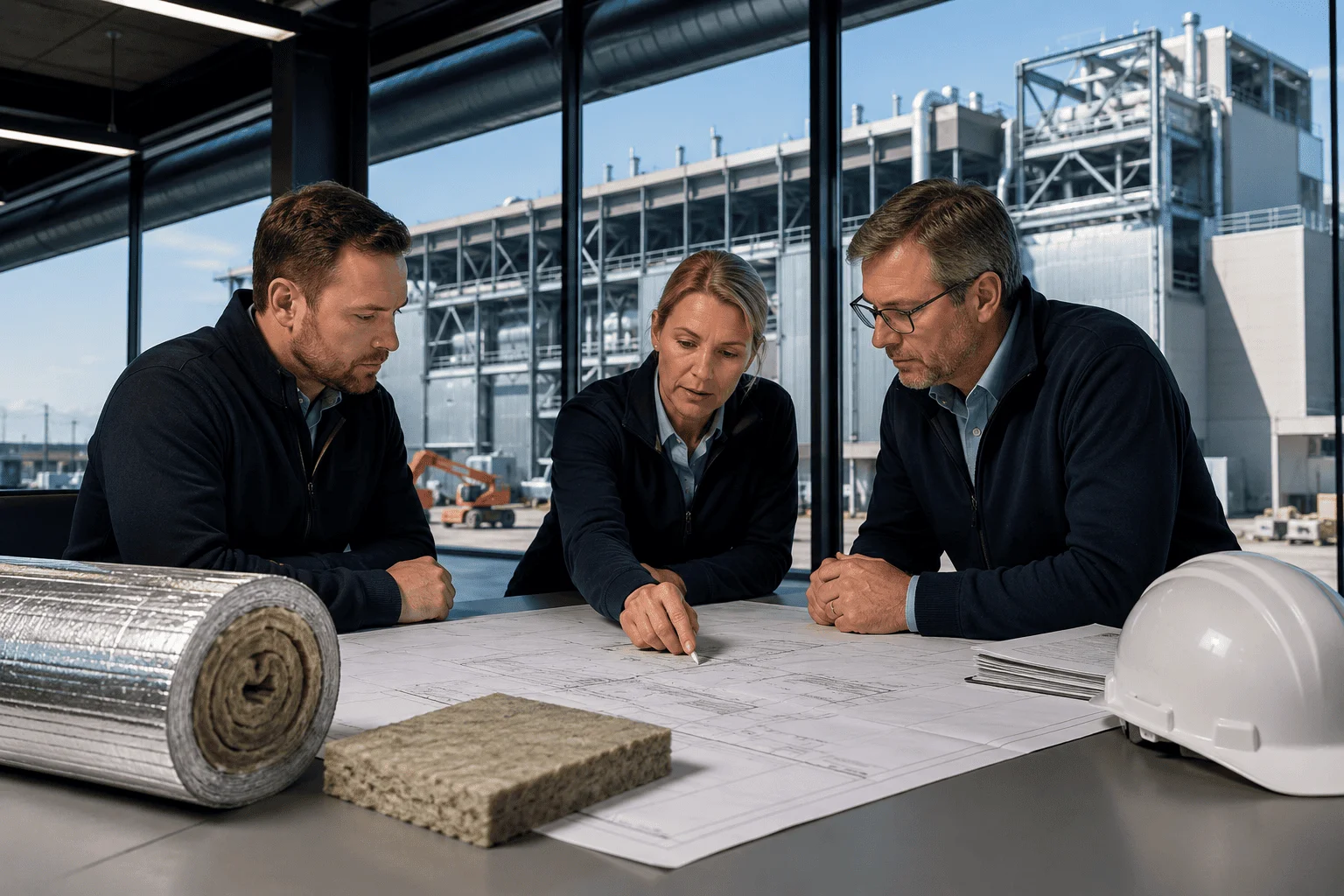
What drives commercial insulation cost in Clearwater
Cost for a Clearwater commercial project is built from the building, not a table. Volume and height, the performance target and code path, and the chosen system dominate the number, which is why a warehouse deck and an office fit-out at equal square footage rarely land at the same price.
What actually moves the number
- Which system the assembly needs. Foam carries a higher unit cost than fiberglass or blown-in and buys air-sealing and moisture control with it. Paying for that where it is not needed is the common way budgets get wasted.
- Volume, not just floor area. A tall hospitality and hotel propertie costs more to insulate than its square footage suggests, because the work happens at height and staging becomes part of the job.
- Working around your operation. In an active hospitality building, phasing, zone isolation, and occasional off-hours work are part of the cost and belong in the schedule line.
- The performance target. Code path and R-value decide thickness and detailing assembly by assembly, and roofs almost always carry the most demanding number.
- What has to come out first. Wet or contaminated material means removal, containment, and disposal before anything new is installed, and that is separate scope.
What the Clearwater market adds to cost
Clearwater is a tourism, healthcare, and light-industrial coastal market, and that shows up in what gets insulated. Local work runs from hospitality and hotel properties to healthcare and medical facilities, offices and commercial buildings, and multifamily developments, with hospitality, healthcare, and light industry driving much of the demand. Coastal humidity and a hospitality-heavy stock make moisture control and comfort-driven envelopes common. Each of those building types carries its own assembly, access profile, and schedule, so pricing is built around the actual facility rather than a blanket rate.
The hot, humid subtropical climate makes moisture control, condensation management, and cooling-load reduction the dominant envelope concerns. In Clearwater, the hot, humid subtropical climate makes moisture control and cooling-load reduction a real cost input: it can push an assembly toward closed-cell foam, added continuous insulation, or extra air-sealing, and that detailing shows up in the estimate. Where hospitality facilities are common, large-span roofs and metal-building walls bring condensation control into the number rather than leaving it as an afterthought.
Many hospitality and hotel properties and light-industrial and warehouse space in Clearwater stay in use while the work happens. Phasing around operations, isolating zones, and coordinating with facility and safety teams is normal here, and it lands in the schedule line of the estimate, not hidden in a unit price. New construction, by contrast, gets slotted into the trade sequence before close-in.
Reading Clearwater estimates side by side
The way to read Clearwater bids is by scope, not headline price. Look for the named system, the coverage area, the thickness or U-factor target, whether prep and removal are in, and how the schedule is handled; two totals are only comparable when those line up.
A Clearwater estimate starts with the basics: building type, rough square footage, project stage, and any R-value or code target. Drawings help us tighten the takeoff, though they are not required to begin.
Frequently asked questions
Which Clearwater building types are most expensive to insulate?+
Tall, large-volume assemblies such as hospitality and hotel properties and offices and commercial buildings usually cost more per project because of access, staging, and the continuous insulation or condensation detailing they need.
Does removal and disposal change the price?+
Yes. When existing material is wet, degraded, or contaminated, removal, containment, and disposal are added scope before the new system goes in, and the estimate itemizes them.
What information do you need to estimate cost?+
Facility type, approximate size, project stage, and any performance or code target. Plans or specifications help produce an accurate takeoff but are not required to begin.
Is there a per-square-foot price for commercial insulation in Clearwater?+
Not a reliable one. Cost tracks the facility, system, performance target, access, and scheduling. A written estimate built from your specific Clearwater building beats any blanket rate.
Planning a commercial or industrial project?
Tell us the building type, where it's located, and what you need done. We'll review the details and get back to you.
Prefer to call? (850) 639-9272